
Medical devices
Energy for devices that are difficult to replace.
Medical and assistive products bring together strict size, reliability, access and lifecycle requirements. Chidorinow is exploring how adaptable battery architecture could support these system-level constraints.
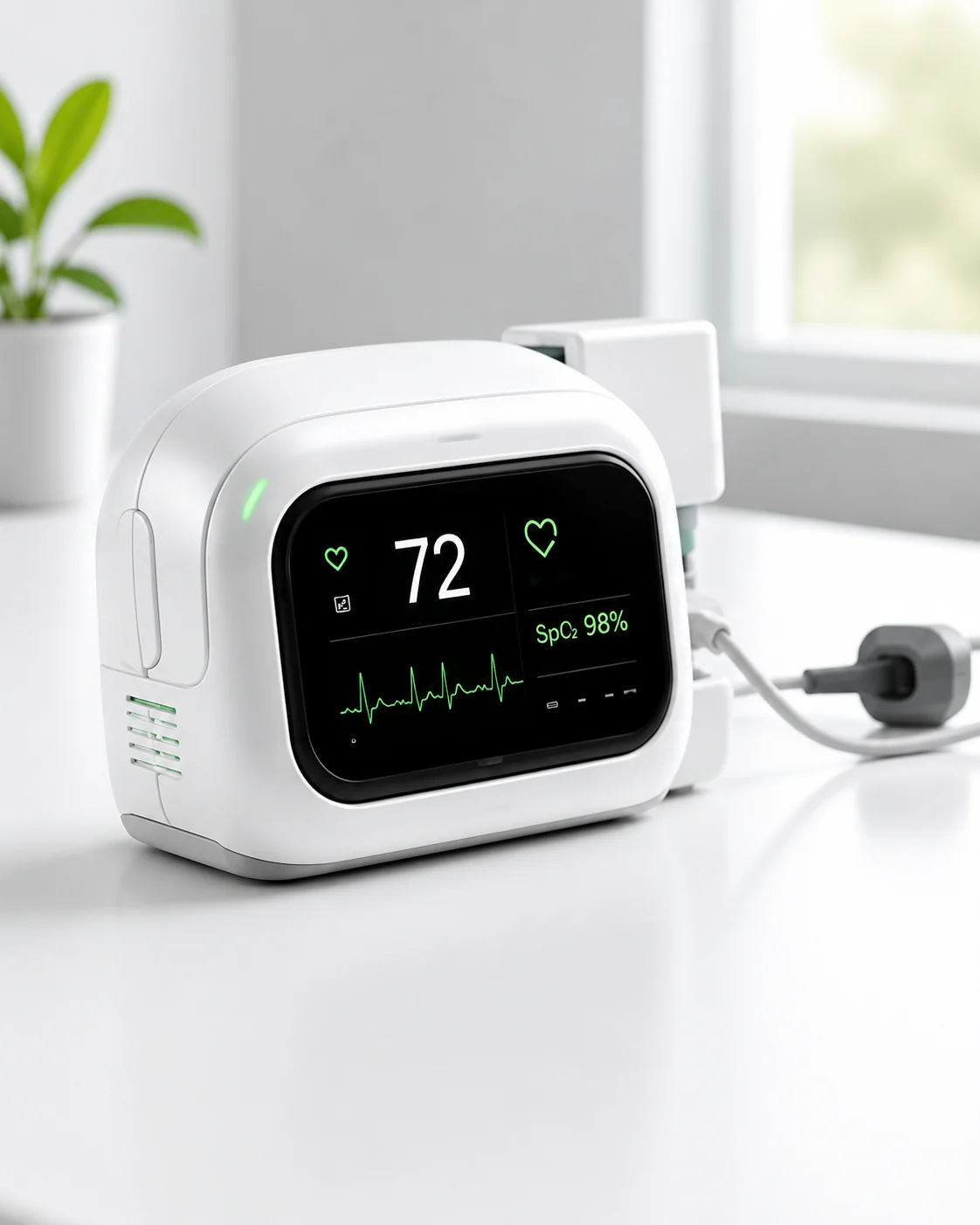
Patient impact
Battery decisions affect service intervals, procedures and continuity of use.
Reliability
Performance must remain predictable across the device lifecycle.
Miniaturisation
Energy storage, electronics and packaging compete for limited volume.
Changing loads
Monitoring, communication and therapy may require different power modes.
Design approach
The battery is part of the medical system.
Chidorinow evaluates the energy architecture together with sensing, controls, enclosure, risk management and the intended use environment.
- 01Define the clinical and device use case
- 02Model operating modes and energy demand
- 03Develop application-specific architecture
- 04Validate in a representative environment
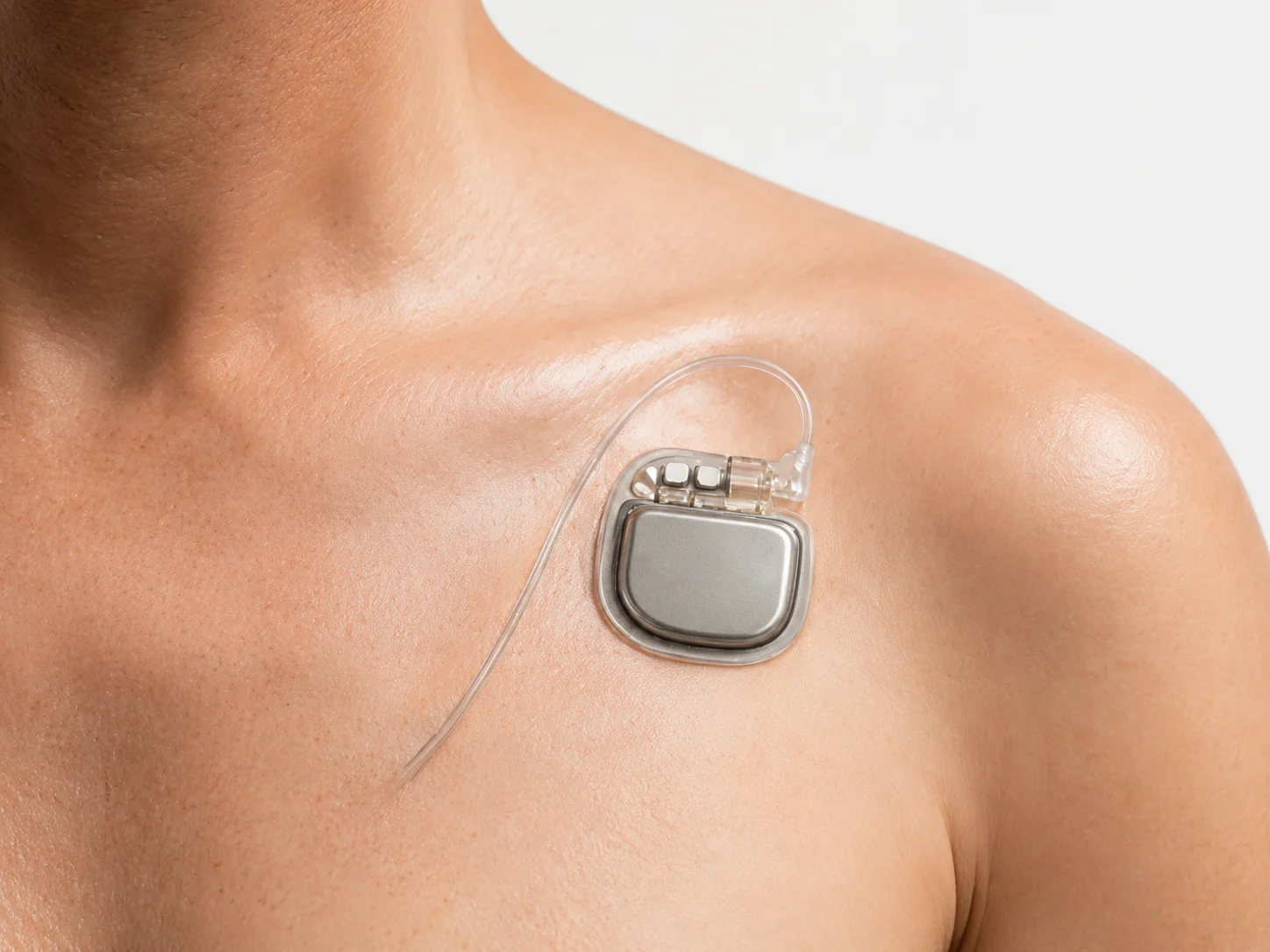
Research-stage technology
Potential application, not a cleared medical product.
Chidorinow’s medical-device work is at a research and engineering stage. Any medical application would require device-specific development, verification, risk management and regulatory approval.
Medical-device collaboration